
- Mon-Fri 10am-5pm
- +1 800-673-2013
- info@gettaxpoint.com

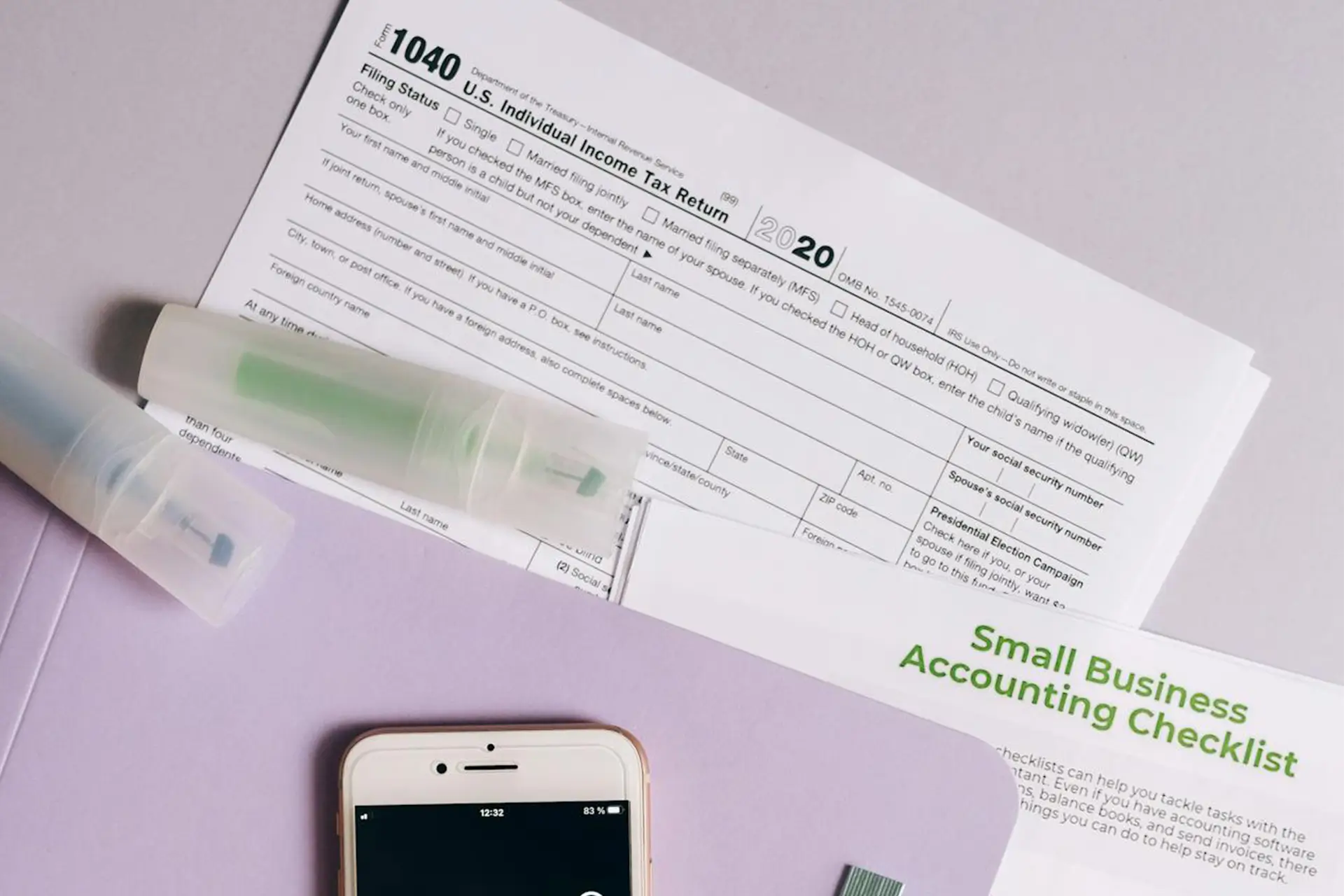
Whether you’re a small business owner, freelancer, or individual taxpayer, managing your taxes doesn’t have to be overwhelming. By understanding critical tax deadlines, learning how to claim every deduction you’re entitled to, and taking smart year-end actions, you can save time, money, and stress.
This comprehensive guide walks you through exactly what to do so you can prepare, plan, and file with confidence.
Missing a tax deadline can trigger IRS penalties, interest, and unnecessary stress. The best way to avoid this is to plan ahead and set reminders for every key date.
| Date | Deadline | What You Should Do | |||||||||
|---|---|---|---|---|---|---|---|---|---|---|---|
|
January 31 |
W-2s and 1099s due to recipients |
Employers: Send W-2s to employees and 1099-NECs to contractors. Individuals: Collect these forms for tax filing. |
|||||||||
|
March 15 |
Partnership (Form 1065) & S Corp (Form 1120-S) returns due |
File your return or request an extension. Distribute Schedule K-1 to partners/shareholders. |
|||||||||
|
April 15 |
Individual (Form 1040) & C Corp (Form 1120) returns due |
File your return, pay taxes due, make IRA contributions, or request a 6-month extension. |
|||||||||
|
June 15 |
2nd quarter estimated tax payment due |
If self-employed, calculate and submit payment via IRS Direct Pay or EFTPS. |
|||||||||
|
September 15 |
3rd quarter estimated tax payment due |
Review your year-to-date income, adjust estimates if needed, and make payment. |
|||||||||
|
October 15 |
Final deadline for extended individual returns |
File your return to avoid late filing penalties. |
|||||||||
Action Plan
Step 1: Write all deadlines in your calendar now.
Step 2: Two weeks before each due date, confirm you have all needed documents.
Step 3: If you can’t file in time, file for an extension — but remember, this extends filing, not payment. You must still pay what you owe by the original due date to avoid penalties.